
Rehab Loan Budget Checklist for Massachusetts Real Estate Investors
A useful budget does more than total the expected repair costs. It connects the property’s current condition to a written scope, supports each major estimate with documentation, and accounts for the costs of financing and managing the project.
Use the checklist below to prepare a clearer picture of the full project.
1. Record the property and project details
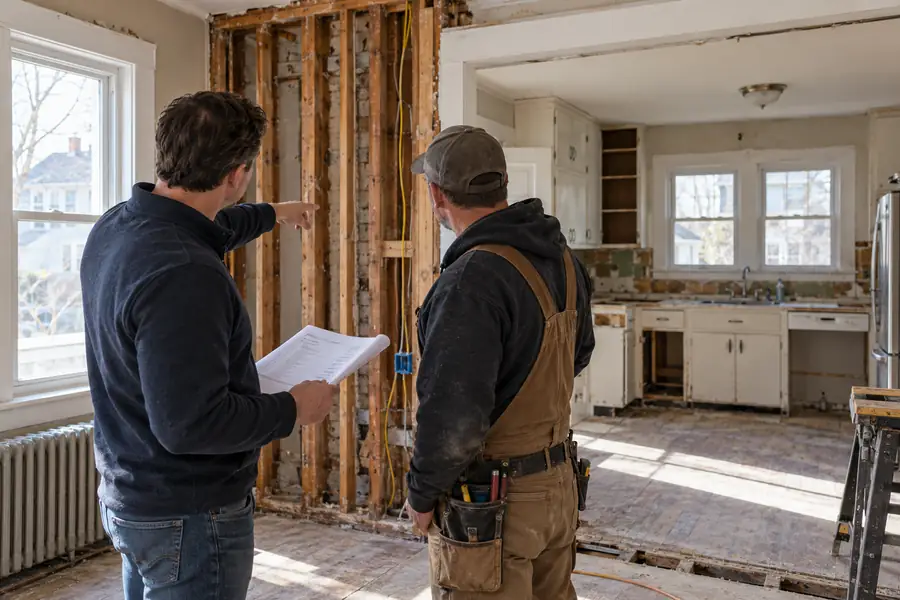
Start with the basic information that helps identify the project:
• Property address and property type.
• Current condition and known repair needs.
• Purchase price or current ownership status.
• Estimated renovation timeline.
• Intended exit plan, such as resale, refinance, or rental.
• Estimated after-repair value, also called ARV.
The ARV is an estimate of the property’s value after the planned work is complete. Support it with relevant comparable properties and explain how their location, size, condition, and features relate to the project.
2. Write a clear scope of work

Describe the work in enough detail that a contractor, reviewer, or project partner can understand what is included. Organize the scope by area or trade, such as roofing, electrical, plumbing, heating and cooling, framing, insulation, drywall, flooring, kitchen, bathrooms, paint, and exterior work.
For each item, note the property condition, the proposed work, and any known quantities or specifications. For example, instead of writing “repair bathroom,” identify whether the work includes replacing fixtures, tile, plumbing lines, ventilation, or other components.
Keep the written scope consistent with the inspection findings, contractor proposals, and budget. If an item is not part of the project, label it clearly so the scope and cost estimate do not appear to conflict.
3. Itemize renovation costs by trade
A line item budget makes it easier to see what the renovation includes. For each trade or work category, record:
• Description of the work.
• Quantity or unit, when applicable.
• Material cost.
• Labor cost.
• Contractor or subcontractor estimate.
• Supporting quote, bid, or estimate.
• Amount included in the project budget.
Include demolition, site preparation, disposal, materials, equipment rental, and cleanup where applicable. Cost per square foot can provide a rough comparison, but it should not replace property-specific estimates and contractor bids.
4. Include permits, inspections, and professional costs
Add the nonconstruction expenses required to plan, approve, and complete the work. Depending on the project, these may include:
• Building permits and local permit fees.
• Trade permits and inspections.
• Architectural or engineering services.
• Survey or design costs.
• Project management or contractor oversight.
• Required testing or specialist reports.
Permit requirements can vary by municipality and by the type of work. Check with the relevant Massachusetts city or town building department, or ask a qualified local professional to identify which approvals apply to the property and scope.
For certain owner-occupied Massachusetts homes with one to four units, Home Improvement Contractor registration rules may apply. The state describes exclusions as well, including investment properties, so verify the rules that match your property and project rather than assuming one requirement covers every case. Mass.gov
5. Add financing and carrying costs
The renovation itself is only part of the project budget. Estimate the costs of holding and financing the property during construction, including:
• Loan interest and any interest reserve.
• Origination, underwriting, appraisal, or other loan fees.
• Property taxes.
• Insurance during renovation.
• Electricity, water, heat, and other utilities.
• Security, maintenance, and winterization.
• Closing costs related to acquisition or refinance.
Estimate these costs using the project timeline and the terms being considered. If the schedule changes, the financing and carrying cost totals may also change.
6. Set a contingency reserve
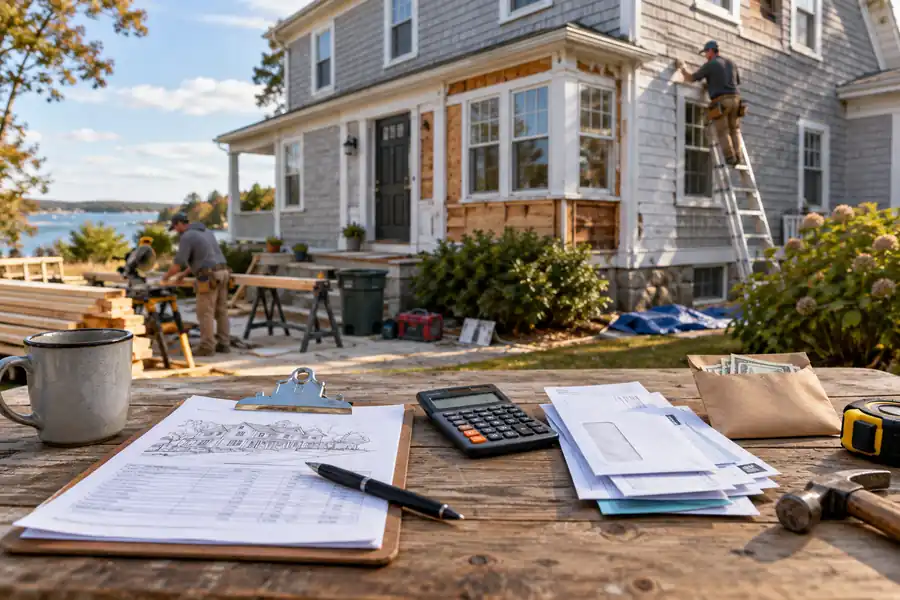
A contingency reserve is a separate budget line for costs that could not be confirmed before work began.
The appropriate amount depends on the property, scope, inspection access, and lender requirements.
A complex renovation or a project involving older systems may call for a different reserve than a cosmetic update.
Show the contingency separately from contractor line items. That makes the planned work and the reserve easy to review.
Confirm with the lender how the reserve is calculated, whether it is part of the approved renovation budget, and how it can be accessed.
7. Organize costs around the draw schedule

If renovation funds are released in draws, match the budget to the expected work sequence. Group the line items into practical stages, such as demolition, rough mechanical work, insulation and walls, finishes, and completion.
Before committing to a contractor or schedule, understand:
• What documentation is needed for a draw request.
• Whether an inspection is required.
• When funds are released.
• Whether the borrower or contractor pays for work before reimbursement.
• How the lender handles changes to the scope or budget.
Draw procedures vary by loan program and lender. Confirm the process for the specific financing being considered.
8. Check the total project budget
Bring the main cost groups together:
| Budget category | Examples |
| Acquisition | Purchase price and acquisition closing costs |
| Hard costs | Labor, materials, equipment, and construction |
| Soft costs | Permits, inspections, design, and professional services |
| Financing costs | Loan fees and interest |
| Carrying costs | Taxes, insurance, utilities, and property care |
| Contingency | Reserve for eligible unplanned project costs |
| Project total | Combined cost of acquisition and completion |
Compare the total project cost with the estimated ARV and the planned exit strategy. A budget is more useful when the renovation estimate, timeline, financing costs, and value assumptions are considered together.
9. Gather supporting documents
Prepare a file with the materials that explain the numbers in the budget:
• Property inspection or condition report
• Written scope of work
• Contractor proposals and bids
• Permit information or fee estimates
• Project timeline and proposed draw schedule
• ARV comparables and valuation assumptions
• Insurance and tax estimates
• Financing assumptions and cost estimates
Use consistent figures throughout the budget and supporting documents. If a contractor proposal changes, update the related line items and project total.
10. Review the budget before submission
Before sharing the rehab budget, check that:
• Each major repair has a matching scope item.
• Costs are based on current property-specific information.
• Labor and materials are both accounted for.
• Permit and inspection costs are included where applicable.
• Financing and holding costs reflect the expected schedule.
• The contingency is visible as its own line.
• The draw plan matches the renovation sequence.
• The total project cost is consistent across all documents.
A complete rehab loan budget checklist helps investors and lenders discuss the same project details. It also gives the project team a clearer reference point when reviewing bids, schedules, and proposed changes.
Frequently asked questions
A rehab loan budget generally includes a written scope of work, itemized construction costs, contractor estimates, permits and inspections, financing costs, carrying costs, and a contingency reserve. Requirements vary by lender and loan program, so confirm the required format for the project.
The budget should identify the work by category or trade and connect major costs to written estimates, bids, or other documentation. A single total without a clear scope may not explain how the renovation will be completed.
Include permit and inspection costs when the proposed work requires them. Requirements and fees depend on the municipality and the project details, so check with the relevant local building department.
Carrying costs are expenses incurred while the property is being held during renovation. They can include interest, property taxes, insurance, utilities, security, and routine property care.
ARV means after repair value. It is an estimate of the property’s value after the planned renovation is complete. Support the estimate with comparable properties and explain how they relate to the project.
A draw schedule explains when renovation funds may be released as project work progresses. Understanding documentation, inspections, timing, and payment responsibilities can help borrowers plan how each stage will be funded.
A scope or cost may change as the project progresses. Ask the lender how change requests are reviewed and whether updated bids, approvals, or other documentation are required.